
ABOUT
Jonathan F. Salas Guerrero
The Beginnings
Music has always been part of my life.
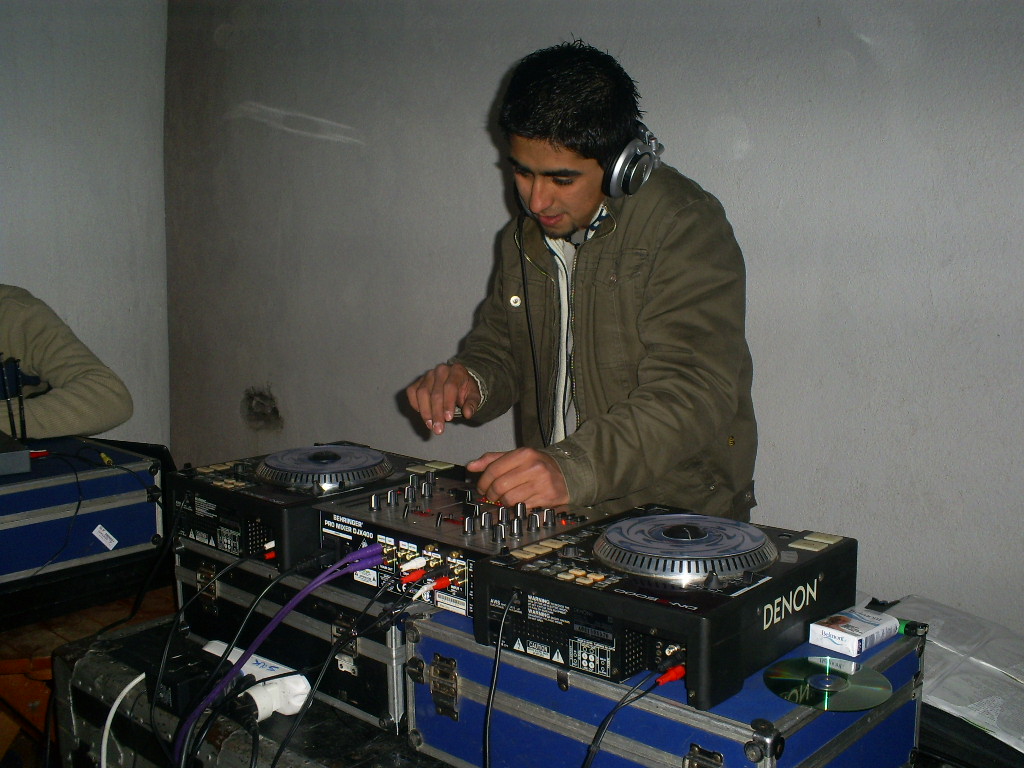
My relationship with music started long before I became a sound engineer. From listening to cassettes as a kid to becoming a professional DJ, music was always around me.
Growing up in Chile, I was surrounded by very different sounds—from Los Prisioneros, Sandro and Carlos Gardel to Marc Anthony, Oscar D’León, Juan Luis Guerra, Limp Bizkit, Korn, System Of A Down and Linkin Park. That variety stayed with me. I still listen to music according to my mood, from Queen and Jamiroquai to salsa, merengue, hip hop and everything in between.
For me, music has to move. I love groove, dynamics, changes in tempo, rich arrangements and the energy that comes from musicians playing together. The more musicians and elements a production has, the more possibilities there are for emotion, intention and those little details that make you want to listen again.
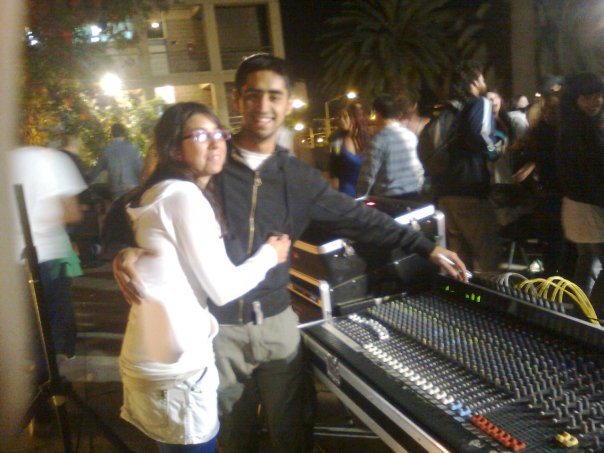
From DJ to Sound Engineer
I originally studied sound engineering because I wanted to become a better professional DJ.
I was fascinated by the combination of music and technology, and I wanted to understand how sound actually worked. I studied Sound Engineering at DUOC UC in Viña del Mar, Chile, where I became increasingly involved in both the technical and practical sides of audio.
I was constantly active, working with equipment and activities at the university while developing my own skills. At one point, I even considered leaving the career because I wasn’t sure where it could take me professionally. Two teachers encouraged me to continue, and that conversation became an important turning point in my life.
I stayed.
What started as a way to become a better DJ eventually took me somewhere completely different: a career built around mixing music.
The Career...
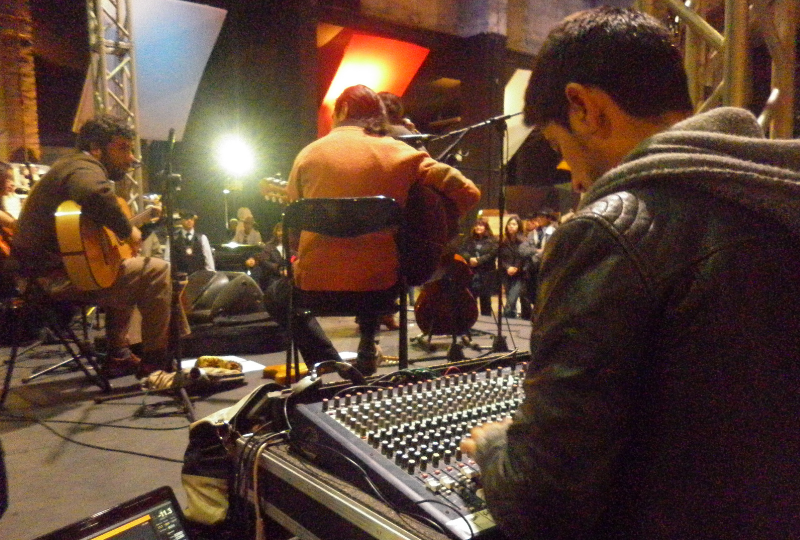
Sound Technician - During my beginnings
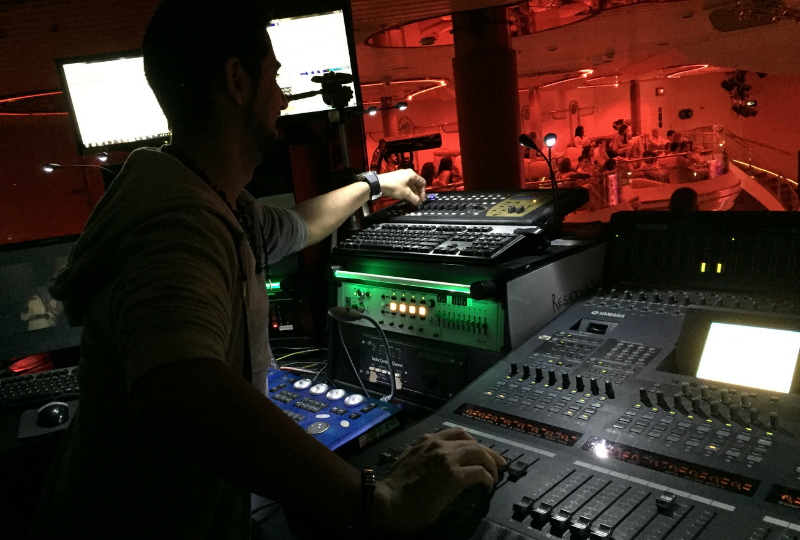
First Year - as a Stage Manager, Head Sound & Light technician
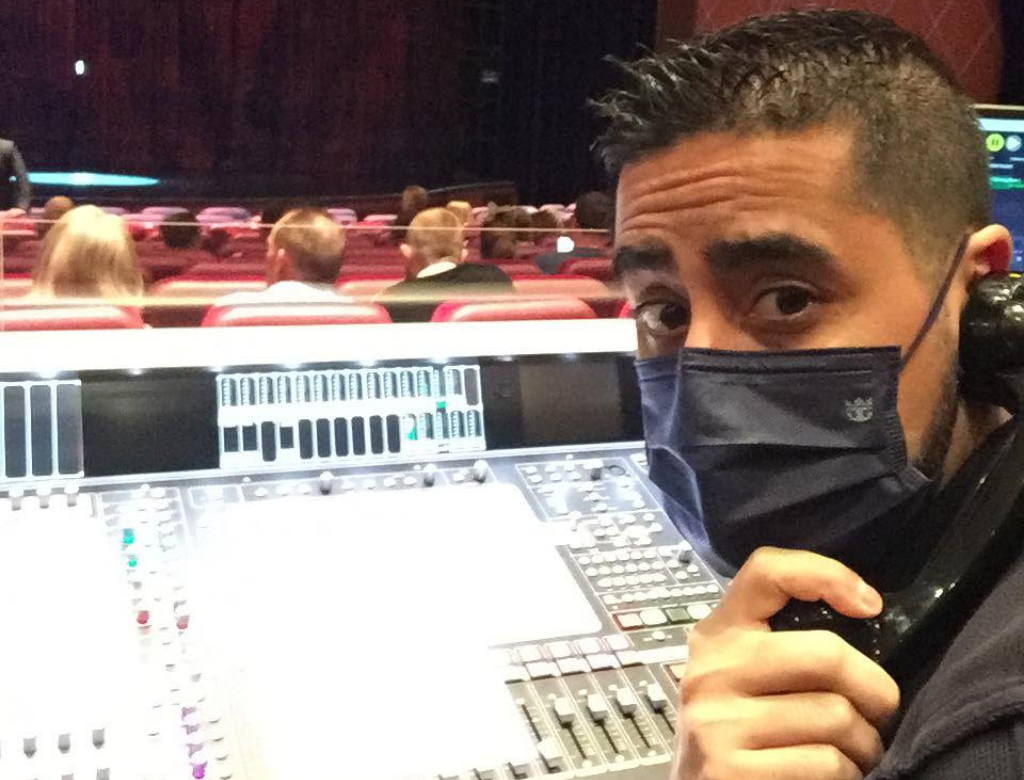
Second Year - As an Audio 1 for big musical theater shows
15 years of live music
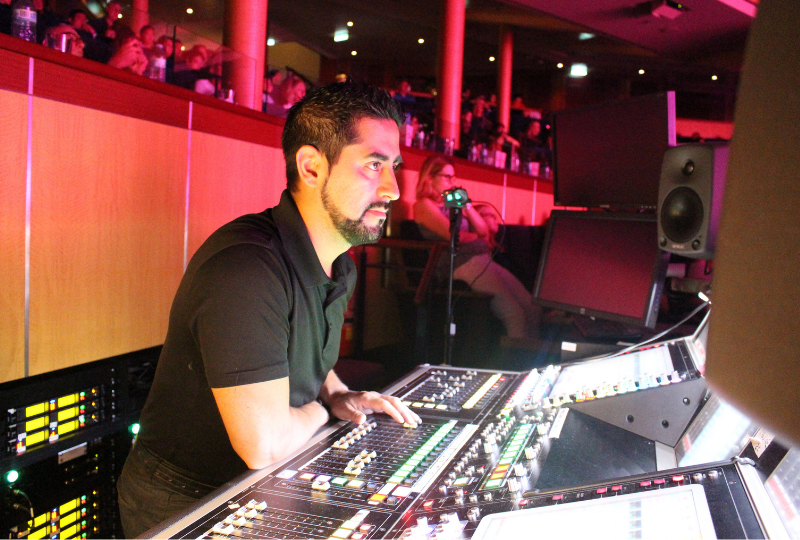
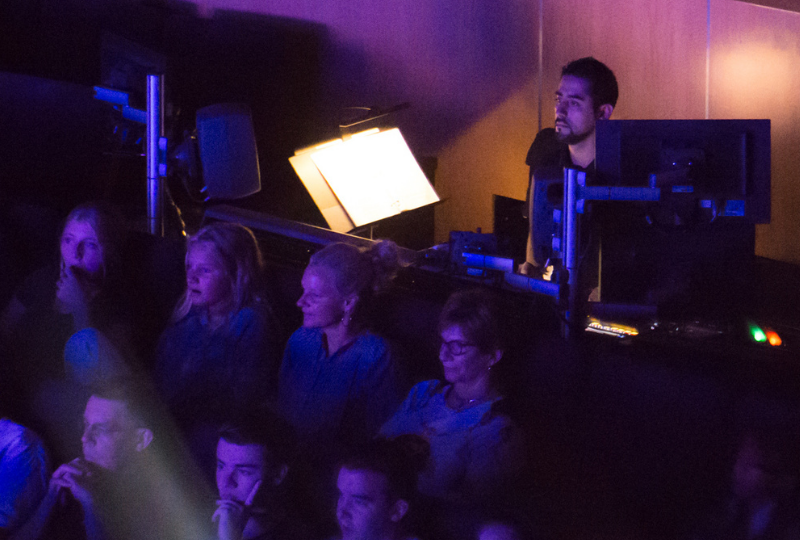
My professional career took me into live production, eventually leading to more than 15 years working in the cruise industry with Royal Caribbean Group and its productions.
I worked across a wide range of shows and musical environments, from concerts and production shows to Broadway and West End productions such as Mamma Mia!, We Will Rock You, Grease The Musical and the latest Back To The Future. I worked with singers, dancers, orchestras, bands and large-scale productions, both at front of house and as a monitor engineer.
Live production taught me to listen to music as a complete performance.
A musical is not simply a concert. The words have to be understood, the story has to be followed, and the amplification should support the performer without making the audience feel that the sound is coming from speakers.
An orchestra taught me something different. Frequency, arrangement, dynamics and acoustic interaction can completely change the perceived balance of a performance. A horn section can suddenly become very prominent, drums will spill into other microphones, and an arrangement can change the entire emotional impact of a familiar song.
And sometimes the most important decisions happen in seconds.
Live sound taught me that preparation matters, knowing your tools matters, and when something goes wrong, you need to understand your system well enough to solve the problem quickly.
More importantly, it taught me that we don’t work for the equipment—we work for the show.
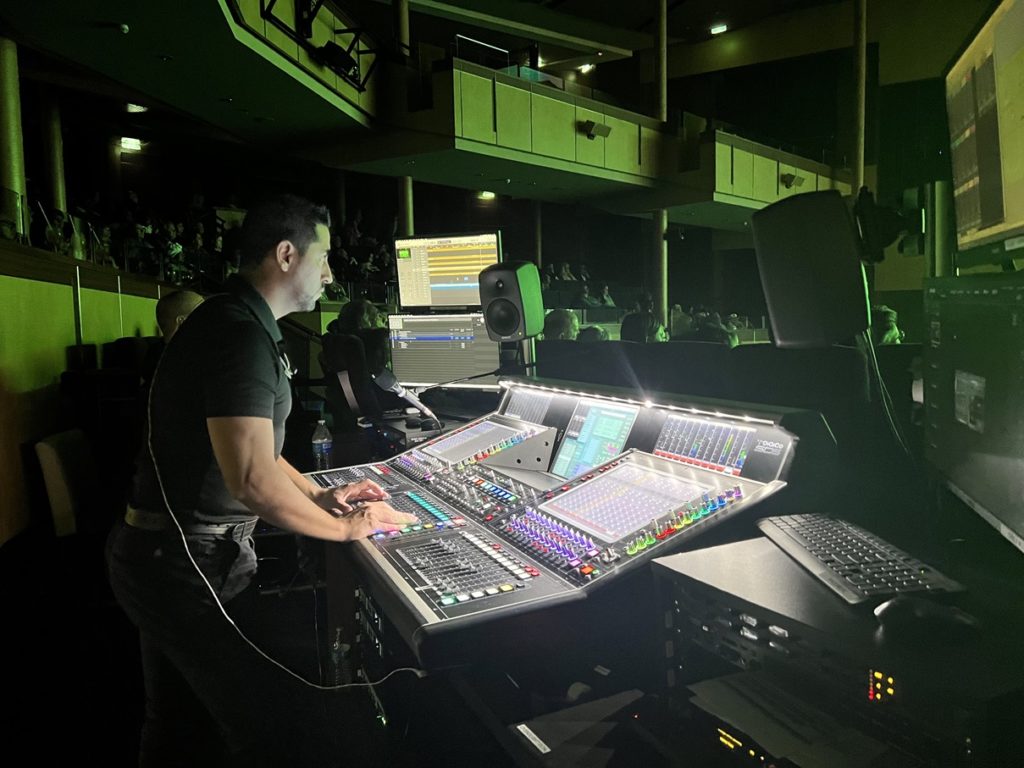
Mixing on Odyssey Of The Seas - The Effectors.
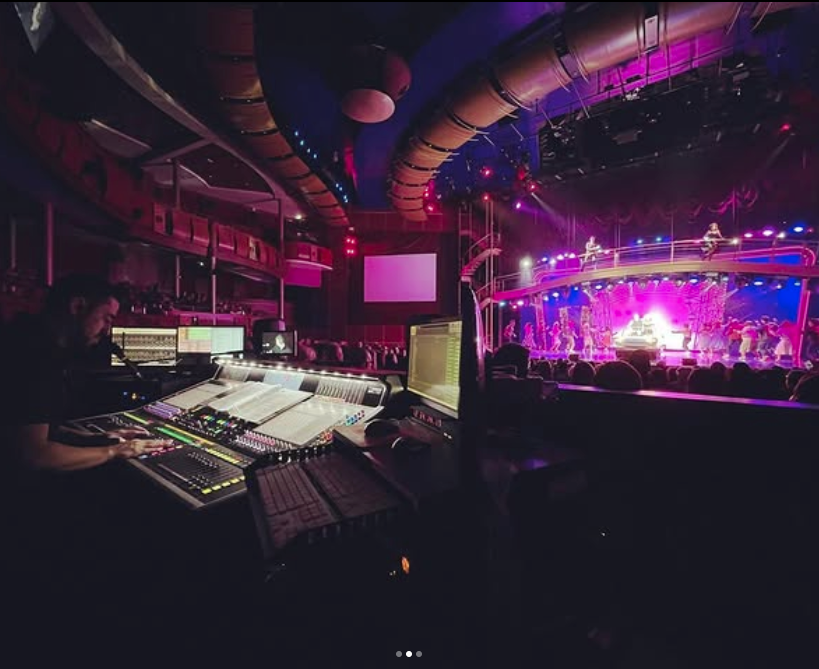
Mixing on Harmony Of The Seas - Grease The Musical.
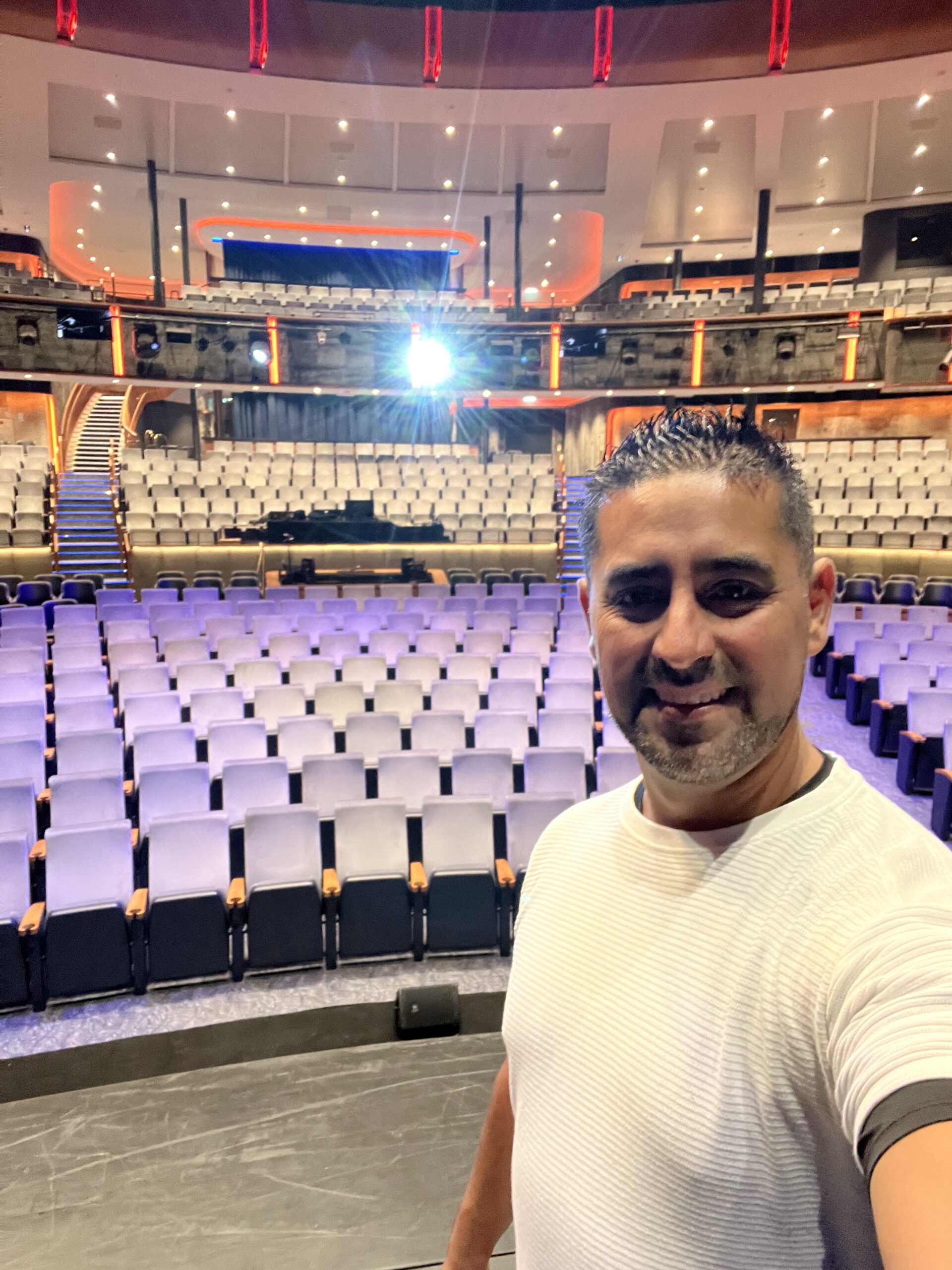
My very last day at the end of my Ship Career on Star Of The Seas.
From the stage to the studio
After 15 years, I reached a point where I wanted to keep growing in a different direction. I felt that I was collecting shows rather than becoming a better engineer.
COVID reinforced that decision. The live industry stopped, and I realized I needed to build something that could continue even when I wasn’t standing next to a console in a theater.
I wanted it to be connected to the thing that had always mattered most to me: music.
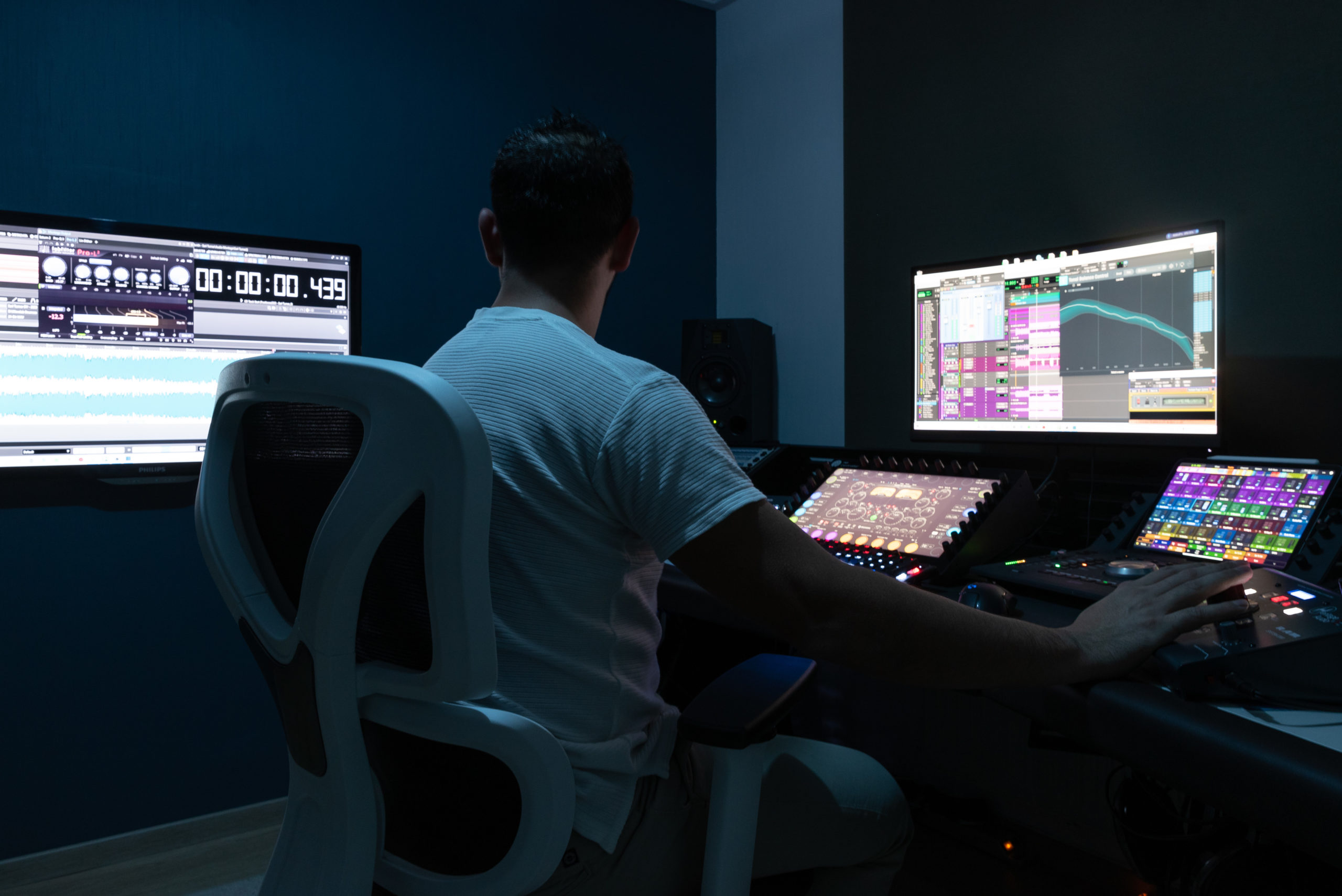
That became Blue Waves Mastering.
I began investing in my own studio in 2021, initially building from the ground up and gradually developing the room, monitoring and workflow that I use today.
Moving into mastering also gave me a different way of listening. My years of mixing taught me how to build a production; mastering taught me to step back and listen to the record as a whole.
That combination is what I bring to every project
Music First...
I don’t believe every record needs to sound the same.
I listen for the things that make a production work: the groove, the dynamics, the arrangement, the interaction between instruments and the emotional intention behind the performance.
I want every instrument to have its place and purpose—not necessarily to be heard all the time, but to contribute when it matters.
I’m not interested in making something louder simply because it is expected.
I’m interested in making a record feel right.
When a master is finished, I want the reaction to be something like:
“Listen to that kick and bass together.”
“The groove is really there.”
“The whole thing feels open and fresh.”
That is the kind of result that excites me.
Working together
Communication is a big part of how I work.
I like conversations to be easy, honest and straightforward. I listen carefully to what the artist or producer wants, and I’m not afraid to offer feedback or a recommendation when I believe it can help the music.
If something isn’t right, we talk about it.
If I make a mistake, I’ll say so.
The goal is for everyone involved to be on the same boat, working toward the same thing: making the record the best version of itself.
Whether you’re working with me remotely or in the studio, I want Blue Waves Mastering to feel like a place where your music is treated with commitment, passion and respect.
Why I do this
Music has been part of humanity for centuries because it is part of being human.
It can make people move, remember, celebrate, connect, cry, laugh or simply stop and listen.
That’s why I still get excited when I hear a great record.
And that’s why, after all these years, I still want to be part of making music sound its best.
Music First. Always.